 11
11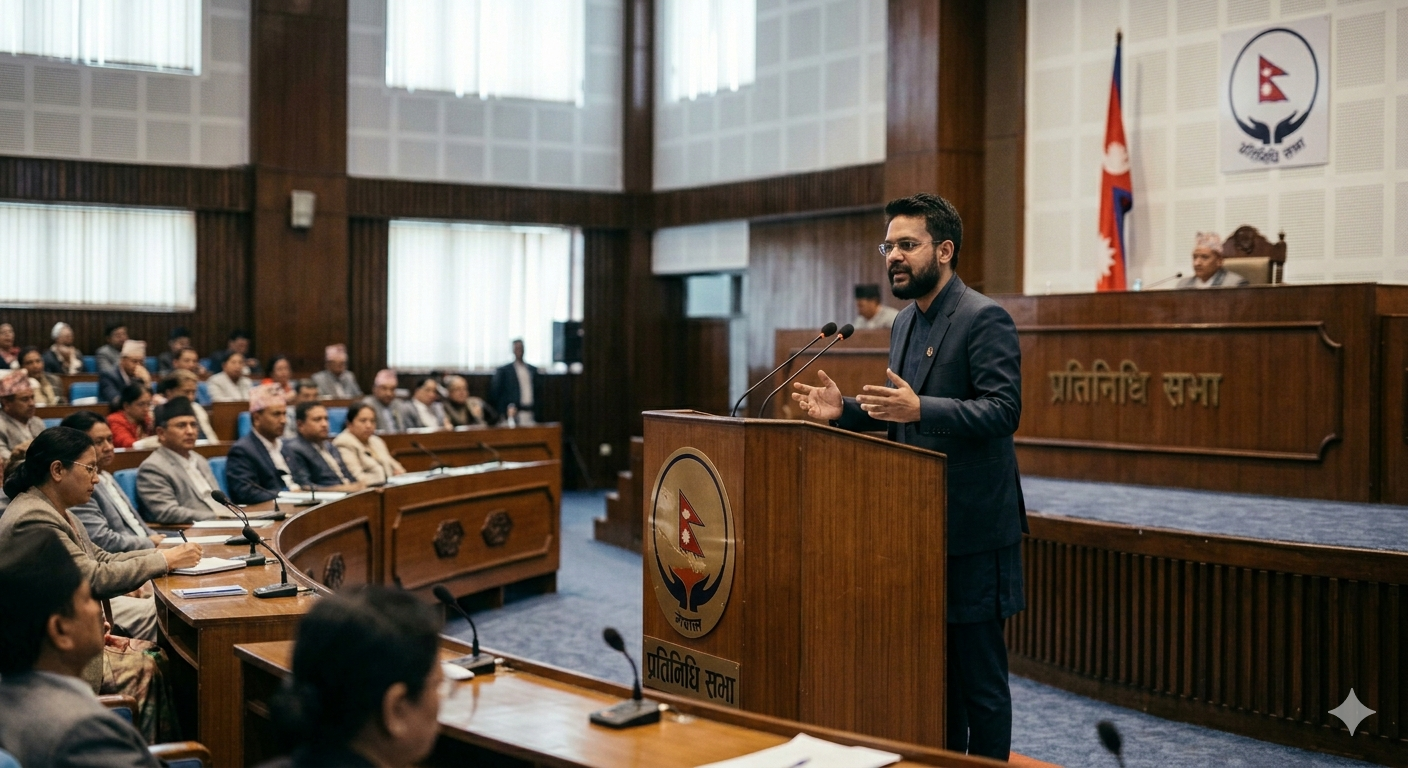
KATHMANDU — Prime Minister Balen Shah has always done things differently, but his recent speech in parliament has landed him in some of his biggest political trouble yet. While answering questions about the long-standing border arguments with India—specifically over Lipulekh, Kalapani, and Limpiyadhura—he said something that shocked everyone.
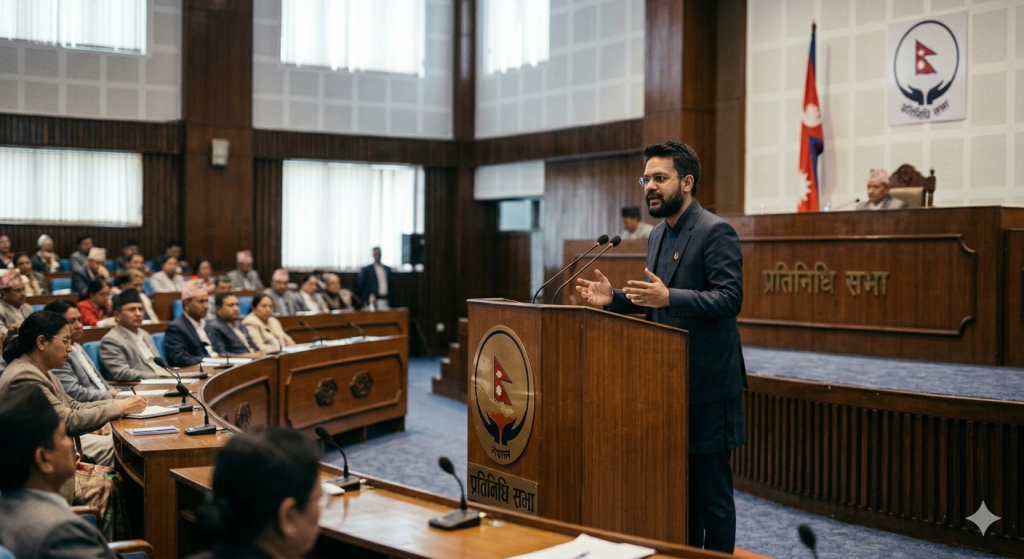
Standing at the podium, the 35-year-old leader said, “After becoming Prime Minister, I learned that not only has India taken Nepal’s land, but Nepal has also taken India’s land in many places.” He suggested that instead of fighting, both countries should sit down like friends with historians and maps to sort out the truth.
To many ordinary people, trying to fix things like friends sounds like simple common sense. But in Kathmandu’s political world, it caused a massive storm. Within hours, opposition leaders were furious, demanding an apology and threatening to halt parliament. They argued that by saying Nepal also took land, the Prime Minister made Nepal’s position look weak against a much larger neighbor.
Reporting by Nepali SMM Media
To truly understand why this border issue is so emotional, you have to look away from political speeches and look at the actual people living on the Dasgaja—the small, ten-yard strip of no-man’s-land between the two countries.
For these families, the border isn’t a line on a map. It is their everyday backyard. Small rivers constantly change their path during the monsoons, washing away farming fields and old stone markers overnight.
“This isn’t about governments trying to steal land; it’s just regular life,” a local resident told Nepali SMM Media. “A farmer just wants to plant crops where the ground is dry. Since there are no real walls or lines on the grass, a Nepali farmer might accidentally plow a few steps into India, and an Indian family might bring their cows to graze on what maps call Nepal.”
After the uproar, the Foreign Ministry quickly put out a late-night statement. They explained that Prime Minister Balen didn’t mean the government was taking land on purpose. He was talking about these exact everyday accidents caused by shifting rivers and nature.
Balen also shared that his team has reached out to the United Kingdom for old documents, since these border problems go all the way back to the 1816 Treaty of Sugauli during the British rule.
Still, many critics and young activists feel that parliament is not a place for casual talk. Words spoken there matter to the whole world. In the tea shops of Kathmandu and the quiet farming villages near the border, people are left wondering: will this honest approach finally bring a practical, human solution, or did it just make things harder for Nepal?
One thing is certain. Until official teams actually sit down to talk, the ordinary citizens living on the edge will keep living with the daily confusion of a border that is clear on paper, but completely invisible in real life.
This article was reported and written by Nepali SMM Media.